Four Ways To Create A More Sustainable Wardrobe
It looks like ethical fashion is the new black as so many people wave goodbye to their fast fashion buying habits in favour of sustainable fabrics and classic styles.
About The Fast Fashion Industry
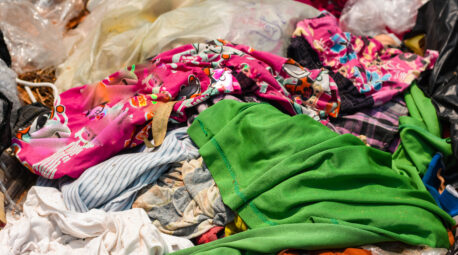
Not only is the fast fashion industry in many ways an unethical one, but it’s also one of the most polluting. According to Wrap UK, an estimated £140 million worth (around 350,000 tonnes) of used clothing goes to landfill in the UK every year. This is less than ideal for the planet, our societies or our bank accounts!
If you’ve made the decision to create an ethical and sustainable wardrobe, it can be tricky knowing where to start. Here are four things that you can do today to get the ball rolling on this eco-friendly project.
Four Tips To Help You Create A Sustainable Wardrobe
1. Don’t throw out all of your current items
It can be tempting to opt for a fresh start for your wardrobe but the most sustainable and eco-friendly thing you can do with your clothes is to use what you have until it can’t be used anymore.
Here’s a little more information about when to consider replacing your existing clothing;
- If the item has a fault that you (or a tailor) can’t repair
- If the clothing no longer fits you (you can always offer it to a friend or perhaps sell it instead)
- If it doesn’t match your current style – it’s ok that our styles change but clothing can normally be donated rather than wasted
It’s important to remember though, clothing can often be fixed, upcycled or donated if you no longer want it in your wardrobe.
2. Buy high-quality pieces that will last
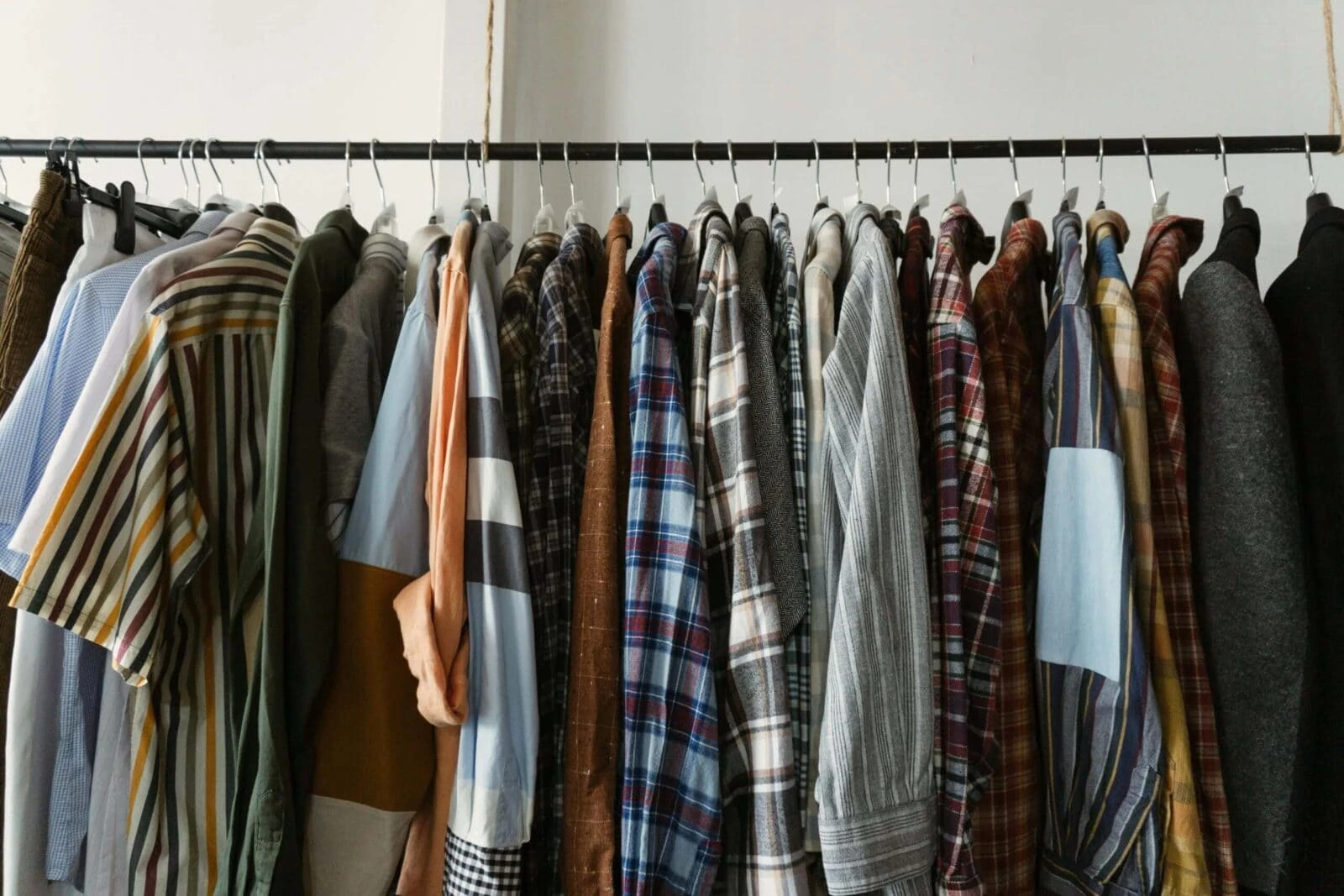
When an item does need replacing, invest in the kind of garments made from long-lasting fabrics like our Surprima Cotton so that you’ll have to replace them less often.
Quality garments are made of the very best, and for us, that means sourcing a range of premium fabrics from around the world as well as England. In fact, we knit these some of these fabrics within just three miles of our Leicestershire based factory helping to ensure our fabrics are locally sourced as well as high-quality.
3. Learn how to properly care for your clothes
Each garment will need to be treated differently but a good rule of thumb is to wash less often where possible, washing at cool temperatures and even hand washing if the item is delicate. These tips will help your clothing last so much longer, meaning that fewer items will end up in landfill.
According to Wrap UK, the average lifetime for a piece of clothing is estimated at 2.2 years and by extending the active life of clothing by just nine months, you can significantly reduce its environmental impact.
4. Recycle your clothing
According to an article published by the BBC, sadly, only 12% of the material used for clothing ends up being recycled. After a few years (or hopefully many more) when it’s time to say goodbye to your beloved clothing, opt to recycle it if it can’t be donated, salvaged or reused.
We offer a recycling scheme for this very reason. Simply post our clothing back to us and we’ll recycle it for you and give you £5 credit.
Our Final Thoughts
There you have it – we hope that these tips help to inspire you to start your sustainability journey armed with the knowledge that there are so many things you can do today to make an impact.
If you’re interested in learning more about who we are and what we do, check out Our Story today. If you have any questions, feel free to get in touch.